2026 Honda N-Box Camper : Honda’s 2026 N‑Box Camper is turning heads not just in Japan but across the Pacific, where U.S. buyers are watching closely to see if this pint‑sized micro‑camper might ever land on American soil.
Built on the popular N‑Box kei‑car platform, the 2026 Camper version transforms a compact city van into a clever, camper‑ready mobile pod that fits narrow streets, tight campgrounds, and crowded city parking with ease.
For American enthusiasts who love small adventure vans and micro‑RVs, the N‑Box Camper represents a fresh twist on the “tiny but mighty” camping formula.
Design and Layout: Big Comfort in a Small Shell
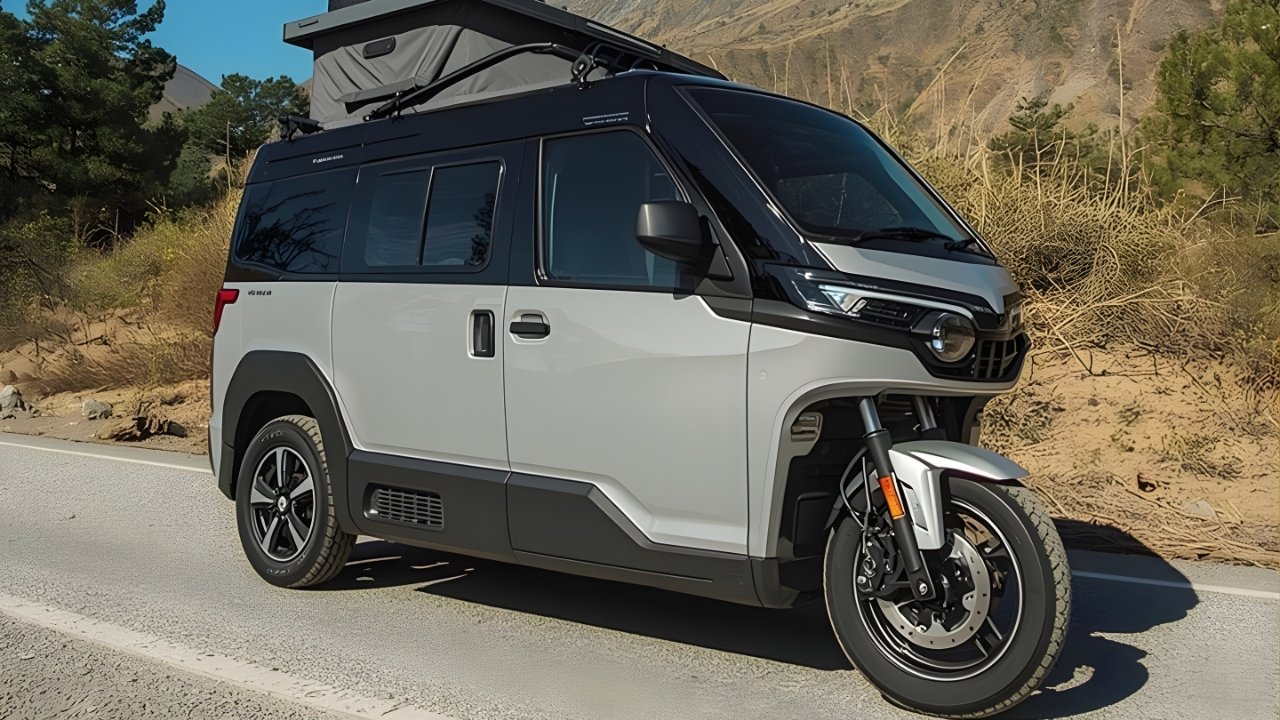
Exterior styling keeps the N‑Box’s tall, boxy shape, which maximizes interior volume without adding much to the footprint.
Vertical LED headlights, a compact grille, and short overhangs give it a friendly, approachable look, while new 2026‑model color schemes lean into outdoor‑inspired tones that match its camper role.
The overall length stays under 12 feet, making it easy to park in standard spots and squeeze into crowded campgrounds where larger RVs struggle.
Inside, the 2026 N‑Box Camper feels surprisingly spacious for its size. Fold‑flat rear seats and a raised rear floor create a full‑width bed that can sleep two adults, while overhead bins and under‑seat storage keep gear neatly tucked away.
Many versions include a small fold‑out table, integrated LED lighting, and ventilation windows, turning the back half into a cozy sleeping and lounging zone.
For travelers who value simplicity over luxury, this no‑frills layout is exactly the kind of setup that makes weekend getaways feel effortless.
Powertrain and Efficiency
The N‑Box Camper is based on Honda’s kei‑car‑compliant 660 cc three‑cylinder engine, available in naturally aspirated and turbocharged forms with modest horsepower figures in the 50–60 hp range.
In 2026, many Camper trims are expected to gain mild‑hybrid assistance, improving fuel economy and smoothing out low‑speed driving without turning the van into a performance machine.
Combined with a CVT and front‑ or all‑wheel drive, this setup is tuned more for relaxed cruising, city errands, and gentle mountain roads than for high‑speed autobahn‑style runs.
For American buyers, the real appeal lies in efficiency and maneuverability. The small engine and lightweight body help the N‑Box Camper sip fuel, which is ideal for long stretches of rural driving and frequent stops at trailheads or roadside diners.
While it won’t match a full‑size RV in towing or highway presence, it can handle short‑haul gear hauling and light trailer duties when paired with Honda’s compact Base Station‑style camping units.
Tech, Safety, and Camper Features
Honda has loaded the 2026 N‑Box Camper with modern tech to keep it competitive with larger adventure vans.
A digital instrument cluster, touchscreen infotainment, and smartphone integration sit at the front, while Honda Sensing‑style driver‑assistance systems—such as collision‑mitigation braking, lane‑keeping assist, and adaptive cruise control—help make long drives safer and less tiring.
LED headlights, multi‑angle rear cameras, and improved sound‑insulation also add to the feeling of a premium, well‑thought‑out package.
Camper‑specific features include fold‑flat beds, modular storage cubbies, and optional pop‑up or slide‑out kitchen modules that can be stowed when not in use.
Some 2026 builds add solar‑assisted trickle‑charging for auxiliary batteries, better thermal‑insulated panels, and extra ventilation windows to keep the interior comfortable in both hot summers and cooler mountain nights.
The idea is to shift quickly between “drive mode,” “relax mode,” and “sleep mode,” so owners can use the van as a daily commuter during the week and a compact camper on weekends.
Can the N‑Box Camper Reach the USA?
Right now, the 2026 Honda N‑Box Camper is primarily a Japanese‑market product, with Honda focusing on domestic demand and select Asian and Oceania markets.
The kei‑car format—small engines, narrow body, and specific safety regulations—does not meet current U.S. federal standards, which means it cannot be sold as a new vehicle in America without major re‑engineering.
Enthusiasts can still import older or future‑model N‑Boxes under the 25‑year import rule or special “show and display” exemptions, but those routes are complex, costly, and usually reserved for collectors rather than everyday campers.
Still, the buzz around the N‑Box Camper in U.S. adventure‑van circles is real. Many American buyers are watching closely to see if Honda might one day adapt the concept into a U.S.‑legal micro‑van or even a compact electric camper based on the same space‑efficient philosophy.
For now, the 2026 N‑Box Camper remains a tantalizing glimpse of what a truly small, efficient, and clever camper could look like in the American market.
2026 Honda N-Box Camper
The 2026 Honda N‑Box Camper is more than just a kei‑car with a bed in the back; it is a carefully packaged solution for people who want freedom without the bulk of a full‑size RV.
With its compact dimensions, clever interior layout, and fuel‑efficient powertrain, it fits perfectly into the growing trend of small, agile adventure vehicles that can handle both city streets and remote campgrounds.
Also Read This : Ford Ranger 2026 4X4 Off road pickup truck, Luxury Interior and AI Features
While a direct U.S. launch is unlikely in the short term, the N‑Box Camper’s popularity online and in enthusiast communities suggests that American buyers are ready for a Honda‑branded micro‑camper that brings Japanese practicality and minimalist charm to the open road.